
Brinquedos de matemática

Livro interativo sonoro bilíngue francês-inglês para aprendizagem precoce, educativo para crianças de 3 a 8 anos.

101 livros com problemas matemáticos desafiadores para o ensino fundamental de Singapura, do 1º ao 6º ano, incluindo exercícios de matemática em inglês (6 livros/conjunto).

Brinquedos educativos infantis Brinquedos de classificação de cores Brinquedos de correspondência sensorial A20

Jogo educativo de quebra-cabeça Montessori para desenvolvimento cerebral de crianças ocupadas, com animais e números, ideal para atividades como o desenvolvimento cerebral. Brinquedo infantil sensorial.

Caderno de Exercícios de Traçado Mágico Montessori para Treinamento de Controle da Caneta, Caderno de Caligrafia Reutilizável para Prática de Desenho Infantil

Brinquedos Montessori para Crianças Tranquilas: Cole Meu Primeiro Quebra-Cabeça de Correspondência de Números para Crianças Ocupadas - Jogo Educativo - Marcador de Livro para Bebê

Livro de exercícios de alfabetização para crianças: caligrafia com desenhos para traçar e adesivos, treinamento de controle da caneta e livro de colorir.

NOVO Quebra-cabeça 3D de Madeira para Bebês - Brinquedo Educativo para a Primeira Infância - Jogo de Pegar Minhocas - Cores, Cores, Magnético - Morango e Maçã

Livro interativo 2 em 1 com áudio em espanhol e inglês, brinquedo educativo para alfabetização precoce de crianças pequenas, meninos e meninas.

Brinquedo Montessori de Matemática em Madeira de Alta Qualidade, Torre Rosa em Madeira Maciça com Cubos de 0,7 a 7 cm para Educação Infantil.

Educação bilíngue vietnamita-inglês, cartões de memória falantes, máquina de aprendizagem precoce, Vietnã

Brinquedos de Cartões de Aprendizagem Educativos para Crianças em Idade Pré-escolar: Cartões Falantes para Aprendizagem de Inglês, Alemão, Espanhol e Francês.

Robô dançarino controlado remotamente, celebridade da internet, coleção de brinquedos elétricos infantis, quebra-cabeça educativo com som e luz para meninos.
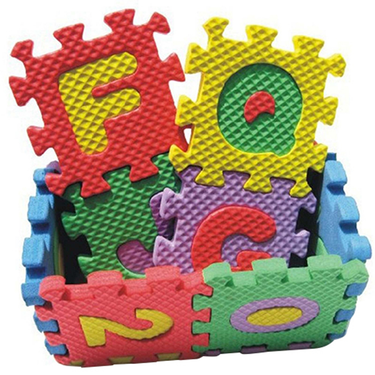
36 Pçs/set Criança Crianças Novidade Número Do Alfabeto EVA Puzzle Espuma Tapetes De Ensino Brinquedo

Carrinho de controle remoto 2.4G, carrinho de bebê clássico para brinquedos de carrinhos pequenos, carrinho de controle remoto com luzes de LED e sensor de gestos para brinquedos de carrinho.

Conjunto de Aprendizagem em Madeira com Cartão para Decomposição de Frações - Brinquedo Educativo Montessori para o Ensino de Matemática - Brinquedo Educativo para Crianças

Quebra-cabeça de madeira com encaixe de formas, jogo de pesca magnético Montessori, brinquedo de contagem e empilhamento para crianças em idade pré-escolar, aprendizado do alfabeto e números.

Cartões de Aprendizagem do Alfabeto Hebraico para Bebês com 22 Letras e Palavras - Método Montessori de Memória - Educativo para Crianças em Idade Pré-Escolar

Pôsteres educativos para aprendizado de inglês infantil, material didático para professores de pré-escola e educação Montessori.

Matemática Montessori: Decomposição de Números, Adição e Subtração Magnéticas, Materiais Didáticos para Aprendizagem de Aritmética
Support Early Learning with Math Toys for Kids
Trying to get your child to sit down and learn math can feel exhausting, right? You explain once, maybe twice, and they still lose interest or get frustrated. Math toys for kids give you a softer way in. Instead of pushing them, you let them play, explore, and slowly build confidence. You will start to notice small wins. They count on their own, they point out numbers, and suddenly math feels less like a struggle.
What are the best preschool math toys for early number learning?
If your child is still young, keep things light and simple. Preschool math toys are made for short attention spans and quick bursts of focus. You do not need long sessions. A few minutes here and there already helps, and it feels easy for both of you.
Try mixing in number block toys, number puzzles, and other learning toys during playtime. Let them touch, stack, and move things around. You will see how quickly they start to connect numbers with real objects. And when you want something quick and easy, math flash cards can fit into your day without any pressure. Waiting for food, sitting in the car, those little moments start to work in your favor.
Why choose Montessori math toys for hands-on learning at home?
Some kids do better when things feel quiet and steady. If your child gets overwhelmed easily, Montessori math toys can help create that kind of space. You might notice them repeating the same activity again and again, and that is actually a good sign.
You can introduce tools like an abacus for kids or base ten blocks to make numbers more real. They can see and feel the difference between values, not just hear about it. Many parents also prefer wooden math toys because they are simple and less distracting, which helps your child stay focused longer.
What if your child gets bored really fast?
If attention drops quickly, you probably need something more engaging. Electronic math toys bring in sound, lights, and instant feedback. That extra stimulation can keep your child interested longer than usual.
You do not need to rely on it all the time. Use it when you need a quick win or a moment to keep them busy while still learning. It helps your child feel more independent, and you get a bit of breathing space too.
How can you make math feel fun instead of stressful?
Math can feel heavy if it turns into constant practice. You can shift that by turning it into play. Math board games make learning feel like a shared activity instead of a task.
Try a few rounds of math bingo games and notice how quickly your child starts recognizing numbers. Or go for a balance math game, where they can actually see how numbers work together. Those little moments when things click feel exciting, and your child will want to keep going.
How do you know which math toys to choose?
You do not need a perfect plan here. Just watch your child and follow what they enjoy. Some days they will reach for blocks, other days they want games or something interactive, and that is completely fine.
Keep a mix of options and rotate them so things stay fresh. Over time, you will see better focus, stronger number skills, and more confidence. And honestly, when your child starts enjoying math on their own, everything feels a lot easier for you too.
 4.5 de 5 com base em 11,880 avaliações