

Visão completa
Itens similares
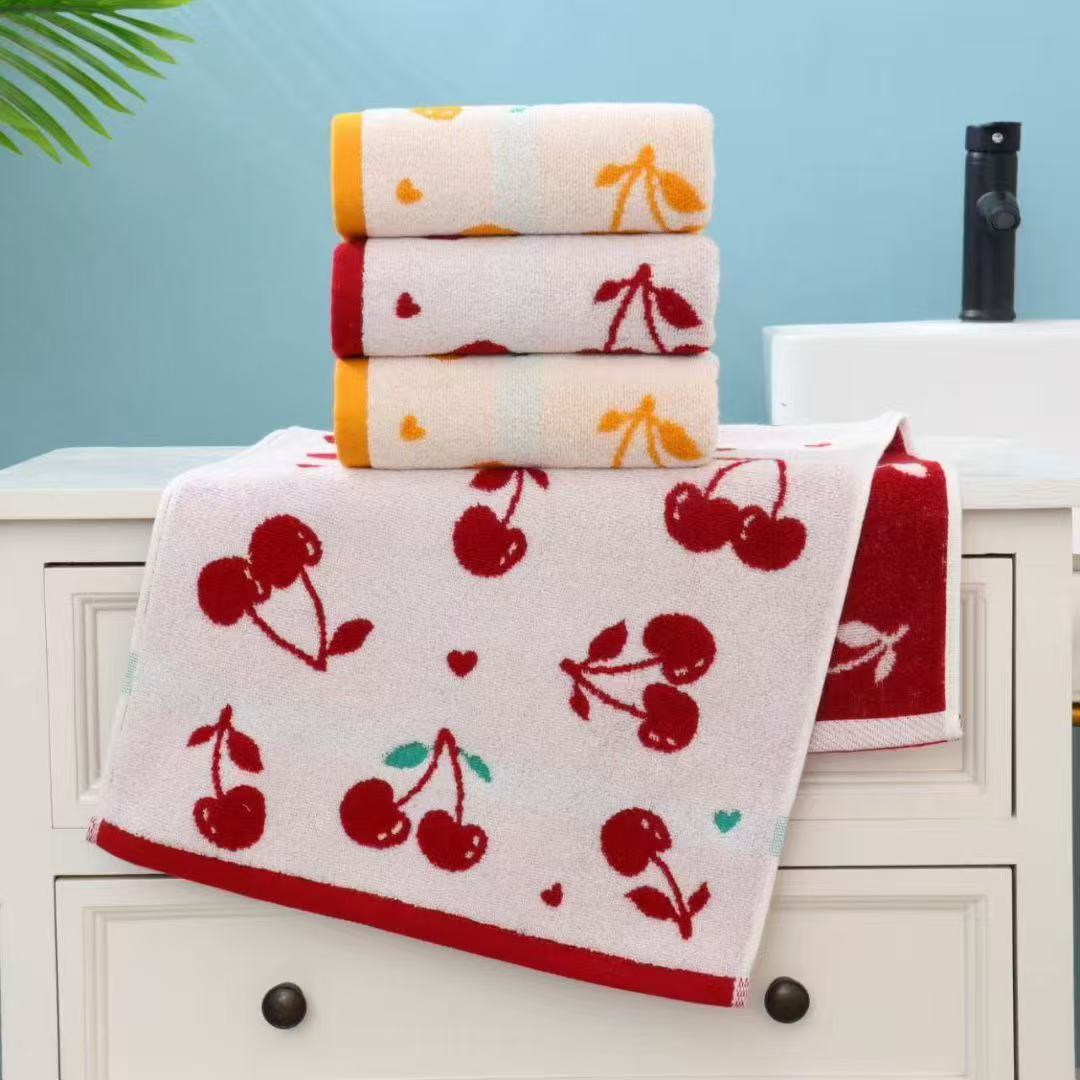
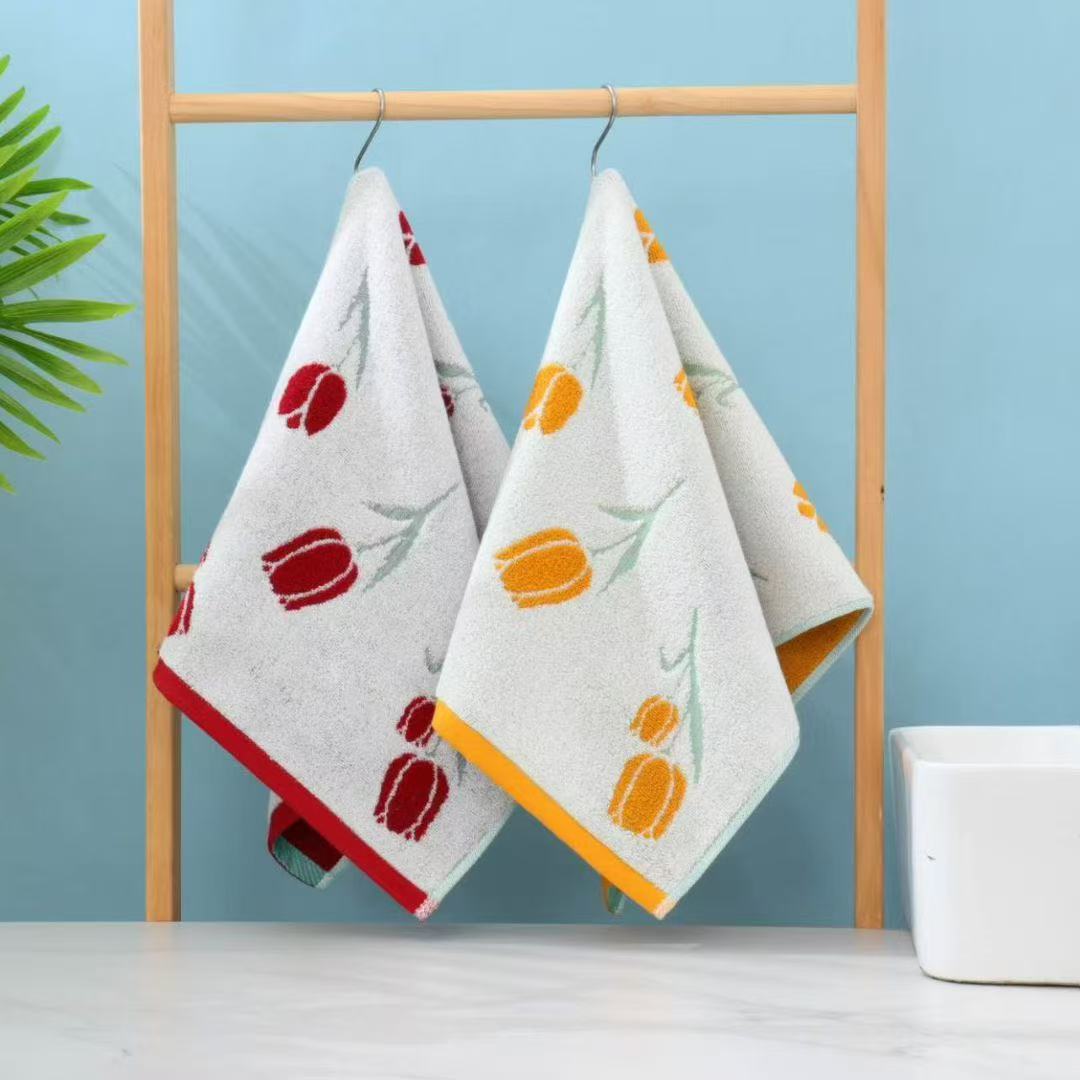
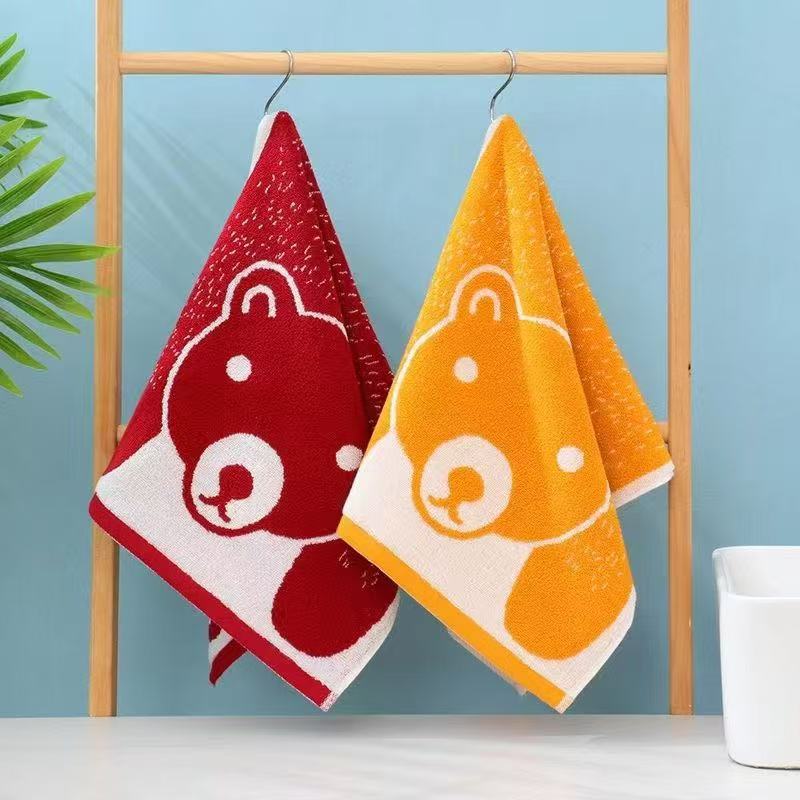
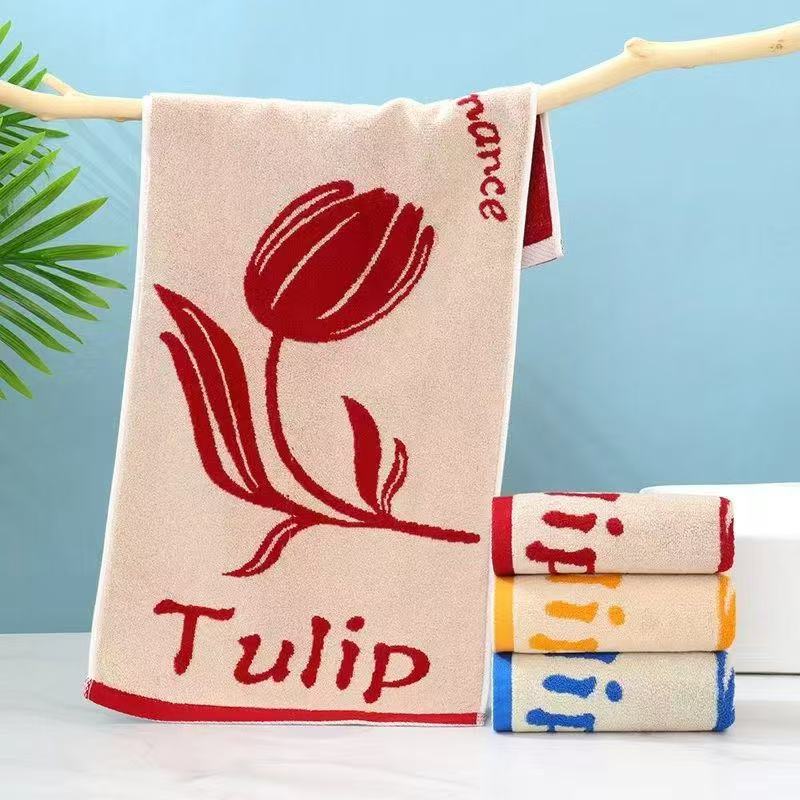
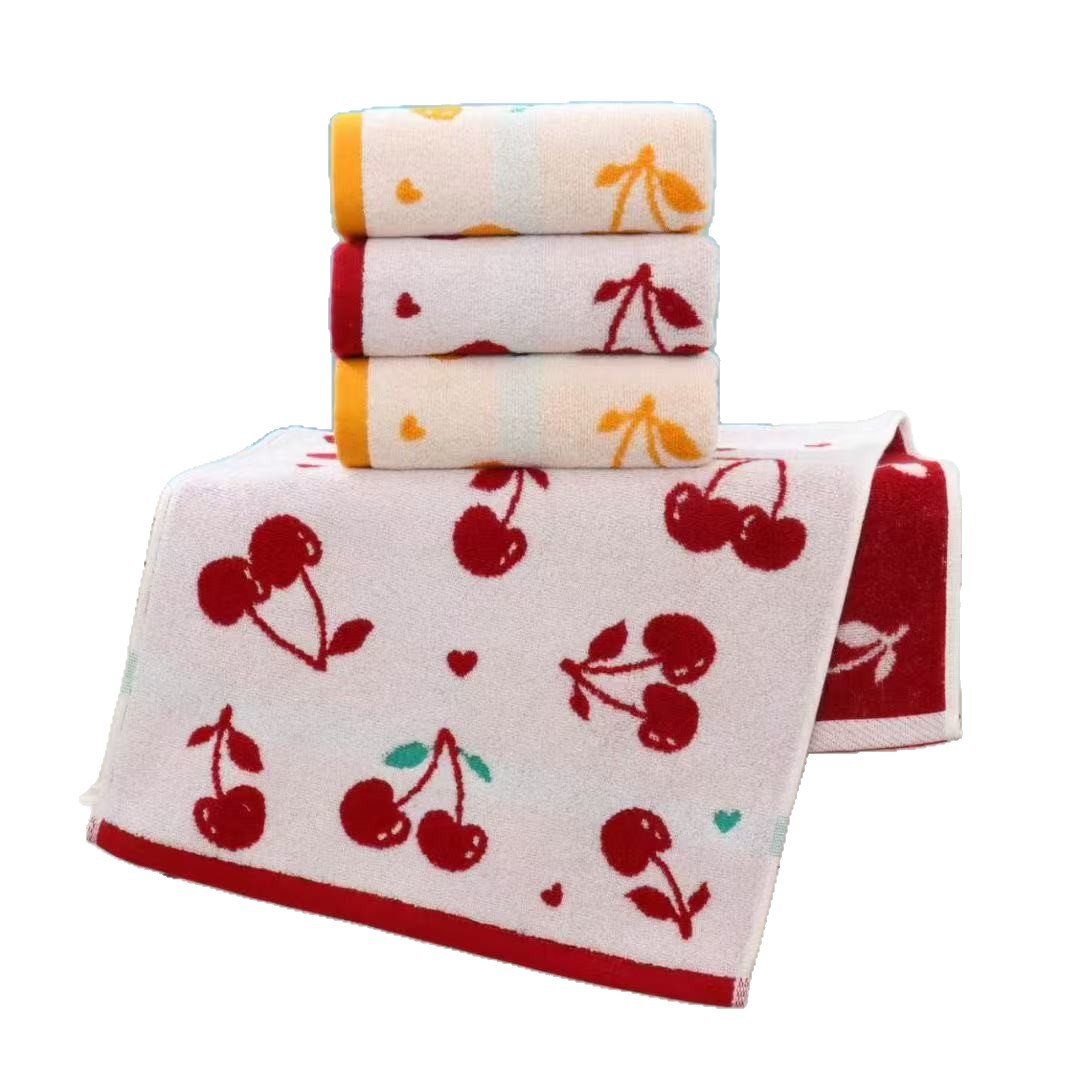
Toalha de rosto feminina vintage, macia e absorvente, com estampa de tulipas e cerejas, classe A, 32% algodão, para atacado.
16,43€23,00€
Cor : cereja
Especificações Comprimento*Largura cm : 35*75cm
35*75cm
Quantidade :

Relatório
Incluir violação de direitos autoraisFrete padrão grátis. Veja detalhes
Estimado entre Thu, Jun 25 e Tue, Jun 30
Você pode devolver o produto em até 30 dias após o recebimento. Veja detalhes
Compre com confiança

Garantia de devolução do dinheiro
Receba o item que você pediu ou seu dinheiro de volta. Saber mais
Sobre este item
Fonte: Minimal Living
O vendedor assume toda a responsabilidade por este anúncio.Número de item: 35804408
Especificações dos itens
Descrição do item do vendedor
Our factory sells various gift boxes and OPP frosted bags for textile packaging. Please contact customer service for inquiries...
Our factory has a sales store in the "Gaoyang County Textile Trading City" with a map for navigation. "Jinyan Textiles" sincerely welcomes customers from all over the world to cooperate with us and is also open for on-site inspection of the factory workshops
Our company is located in the Hebei Gaoyang Textile Base. The courier services we use are Shentong Express and Zhongtong Express. For express delivery, we can use Aneng, Huitong, Best, Yunda, Zhongtong, etc. Before shipping, we will verify whether the courier service is available. If it is not available, we will automatically switch to another courier service. If you have special requests, please contact customer service for negotiation. We do not accept requests to specify a courier service or request gift box packaging without prior communication
Large-scale freight can be handled via express delivery or logistics according to customer requirements. If needed, please contact online customer service
Towel tips and tricks:
How long should towels be used before they are suitable?
At the annual meeting of the Home Textile Association, experts mentioned that it is best for individuals to replace their towels after about 30 days, and no longer than 40 days.Some might say, isn't this too wasteful? In fact, there is a scientific basis for this.
Towels become stiff after prolonged use, and most importantly, they can become contaminated with bacteria, which is harmful to the human body.Practice has proven that coins, bedding, and towel products are three of the main indirect transmission channels for infectious diseases.However, many people are still influenced by traditional notions and use them in some unscientific ways; for example, using one towel for multiple purposes, using one towel for multiple people, not replacing it until it's worn out, and ignoring hygiene and product quality.
We know that towels are made of pure cotton yarn.Cotton fiber has a tubular structure and contains hollow cell cavities that can store water; its main chemical component, cellulose molecules, contain a large number of hydrophilic genes that can absorb water.The moisture-absorbing and moisture-retaining properties of the veil make the towel feel comfortable, have strong stain removal capabilities, and are suitable for cleaning and hygiene purposes.But it is precisely this characteristic that provides favorable conditions for bacterial growth.Bacteria prefer warm and humid environments.When towels remain in a warm and damp state for a long time, coupled with the accumulation of oil, dust, impurities in water, and dust in the air on the towels, they gradually become a breeding ground for bacteria.Using such a towel to wipe the skin not only fails to clean it, but also contaminates the skin and clogs pores.Women who like to wear makeup and children with a fast metabolism have more skin oils, which makes towels more susceptible to infection and poses a particularly significant harm to the human skin.
Therefore, experts recommend: don't wait until the towel is worn out before replacing it.Just like the lifespan of a toothbrush, the maximum lifespan of a towel should not exceed 3 months.
2. The secret of natural towel wear and tear
Some people have reported that new towels will soon develop holes or become brittle in certain areas, mainly due to mold.
Our engineers and technicians have found that most of the holes in towels are irregularly shaped. When observing the areas of brittle damage and discoloration under a microscope, they found that there is obvious mold growth on the fiber surface, and mold colonies can still be detected even after washing.Towels that become brittle and damaged are those that are stored in a damp, hot, and stuffy container after washing or wiping sweat, and the longer they are stored, the more severely they become brittle and damaged.There are also new towels that fall apart after just one wash.These towels are pulp-retained towels that have not been washed and de-pulped, and the starch in them is precisely the nutritional base for mold growth. Once they are exposed to moisture and heat..
In a stuffy environment, mold will quickly grow and multiply, secreting enzymes that break down fibers and starch into glucose.At the same time, the skin flakes contained in sweat, which contain protein, fat, amino acids, potassium, sodium, and other inorganic salts, further promote the reproduction of bacteria and other microorganisms, releasing acidic substances that not only favor the survival of bacteria but also accelerate the hydrolysis of starch and fiber.Therefore, new towels may become moldy and brittle after use or due to un-washed starch paste in a hot, humid, and poorly ventilated environment.
Therefore, if you notice that the towel feels sticky and has an unpleasant odor, you should wash it with soap as soon as possible and dry it in a well-ventilated area.Newly produced towels must be degummed, dried thoroughly, and allowed to cool before being packed and stored. They must not be kept in a damp, hot environment for too long to avoid mold formation.
3. How to distinguish between good and bad towels
First. Appearance inspection: The towel is finely sewn, neatly hemmed, uniform in width, straight and even, not skewed or twisted, evenly tight, with uniform pile height and upright loops; the towel is level and even when held up to the eye level, with smooth loops, and it is preferable if there is little or no cotton fiber leakage.Those with pure and bright colors and no uneven shades are preferred.
Second, feel the fabric: A good cotton towel feels fluffy, soft, and not greasy.It feels soft and elastic in my hand, and no lint comes off when I pat it.
Third. Smell: Good towels have no strange odor.If there is a smell of candles or ammonia, it indicates an excessive amount of softener; if there is a sour smell, the pH value may be excessive; if there is a pungent smell, it indicates the use of a color-fixing agent containing formaldehyde, with free-forming formaldehyde being released.
Fourth. Test for moisture absorption: When the towel is hung up and you spray water onto it with your hand, if the water droplets do not roll off, it indicates that the towel absorbs and diffuses water quickly and has good moisture absorption; if water droplets roll off, it suggests that the towel contains an excessive amount of softener or is inadequately processed.
Fifth. Colorfastness Test: First, pour hot water around 80 degrees Celsius into a basin, then wash the towel in it by rubbing it up and down. The water in the basin should not show any color; if there is any color fading, it indicates poor dyeing quality and is harmful to human health. According to Mr. Yang Donghui, president of the China Home Textile Association, such towels are essentially using industrial wastewater to wash your face
 4.4 de 5 com base em 9,249 avaliações