
Transmissão e Trem de Força

Conjunto de embreagem 47800-3B520 para Hyundai Santa Fe, Tucson, Sportage e Sorento

68071235AC 600-938 Motor de Mudança da Caixa de Transferência para Jeep Grand Cherokee Liberty e Dodge Durango

Eixo cardã dianteiro 26208605866 710mm para BMW X5 E70 F15 X6 E71 E72 F16

Motor atuador de mudança da caixa de transferência para BMW X3 E83 X5 E53 27107566296 0130008527

Kit de Reparo de Molas e Retentores da Embreagem da Caixa de Câmbio 6DCT450 para Modelos Ford MPS6
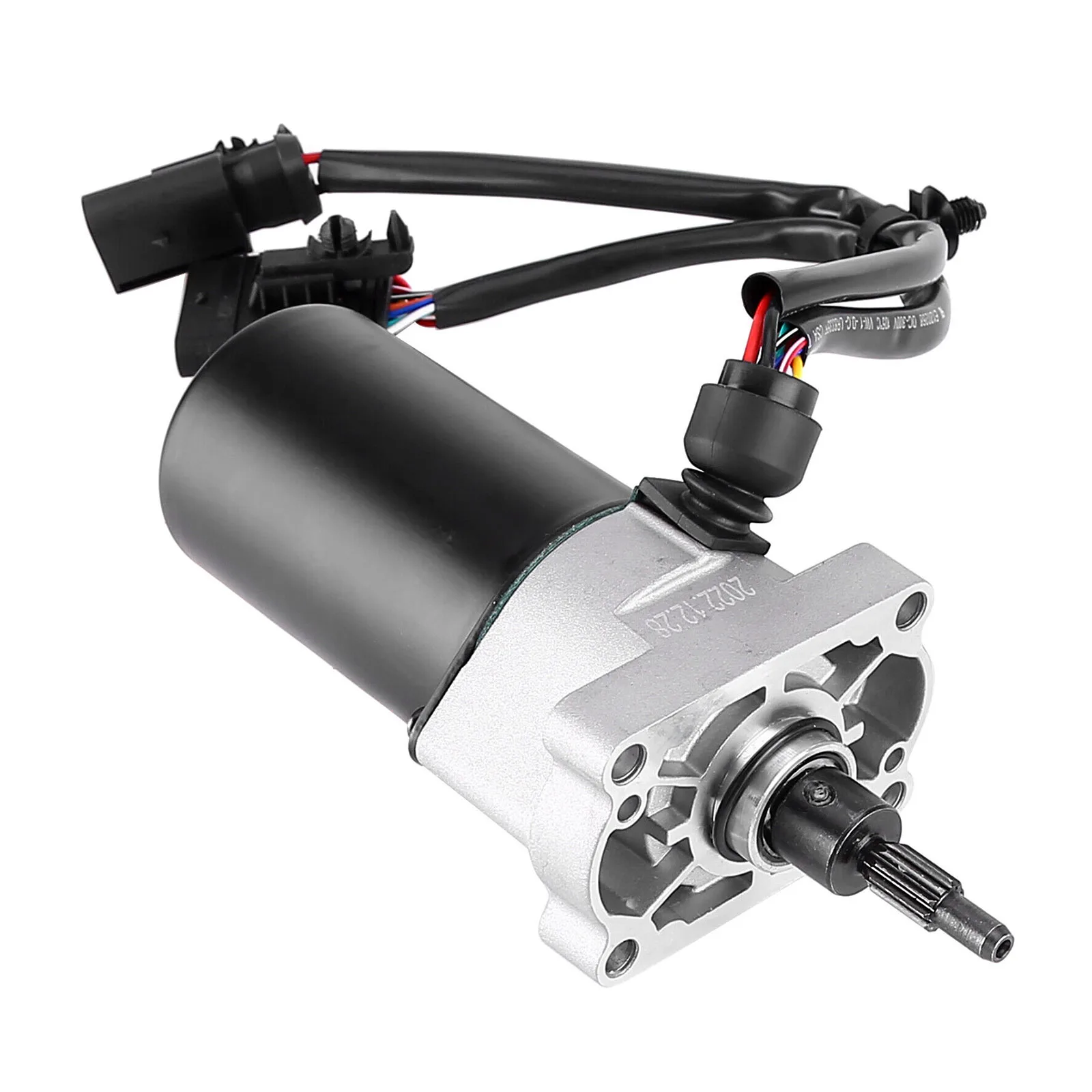
Motor de bloqueio do diferencial do eixo traseiro 68084266AB para Jeep Grand Cherokee 2011-2016
Transmission and Drivetrain Parts for Cars
You notice it in moments you can’t quite predict. A slight delay when shifting gears in traffic. A vibration when pulling away from a stop. Or that subtle loss of responsiveness on a longer drive. These aren’t always dramatic failures—but they’re clear signs that your transmission and drivetrain parts for cars may need attention.
Because beneath every smooth journey is a system working constantly to transfer power, adapt to speed, and keep your drive consistent. When these components are in sync, everything feels effortless. When they’re not, even short trips can feel tiring.
Everyday Driving, Real Performance Demands
City driving puts unique pressure on your drivetrain. Stop-and-go traffic, frequent gear changes, and constant braking all demand precision. This is where components like the transmission mount quietly do their job.
A worn mount can lead to increased vibration and noise, especially when accelerating or shifting. Replacing it restores stability, keeping the transmission securely aligned and reducing unnecessary movement. The result? A quieter, more controlled driving experience that feels instantly more refined.
At the same time, modern vehicles rely heavily on automotive sensors to monitor speed, load, and gear position. These sensors ensure your transmission responds correctly to real-time conditions, helping maintain efficiency and smooth gear transitions without you even thinking about it.
Staying Cool Under Pressure
Long drives, heavy loads, or even warm weather can push your transmission system harder than usual. Heat is one of the biggest factors affecting transmission performance—and over time, it can lead to wear or reduced efficiency.
That’s where a transmission cooler becomes essential. By regulating fluid temperature, it helps prevent overheating and extends the lifespan of your transmission. Whether you’re commuting daily or heading out on weekend trips, maintaining proper temperature control keeps your car performing consistently.
This works hand in hand with broader car cooling systems, which support overall engine and component temperature balance. Together, they create a stable environment where your drivetrain can operate without unnecessary stress.
Clutch Control and Driving Feel
For drivers who value control—especially in manual vehicles—the clutch kit plays a central role in how the car responds. A worn clutch can feel soft, inconsistent, or slow to engage, making even simple gear changes less precise.
Upgrading or replacing your clutch kit restores that direct connection between driver and machine. Gear changes become smoother, acceleration feels more immediate, and the overall driving experience becomes more engaging.
Even in daily traffic, this difference is noticeable. It’s not about performance for its own sake—it’s about making every interaction with your car feel intuitive again.
A Complete System That Supports Comfort
While the drivetrain operates beneath the surface, its impact is felt inside the cabin. Smooth gear transitions, reduced vibration, and consistent power delivery all contribute to a more comfortable drive.
Supporting systems like ac parts for cars also play a role here, ensuring that while your vehicle performs efficiently, the interior environment remains comfortable and controlled—especially during longer journeys or changing weather conditions.
In the end, maintaining your transmission and drivetrain parts for cars isn’t just about avoiding breakdowns. It’s about restoring confidence in how your car responds, adapts, and performs every time you drive.
Because when everything works together seamlessly, the road feels smoother, the drive feels lighter—and you can focus on where you’re going, not how your car is getting you there.
 4.4 de 5 com base em 9,249 avaliações